Archive for June, 2022|Monthly archive page
Horace Cleveland’s House in Danvers
Filed under: Landscape Architects, Minneapolis parks | Tags: H.W.S. Cleveland, Horace Cleveland
 Comments (3)
 For those who are curious about the house I referred to in my commentary in the StarTribune today in which I praised librarians, here is a photo.
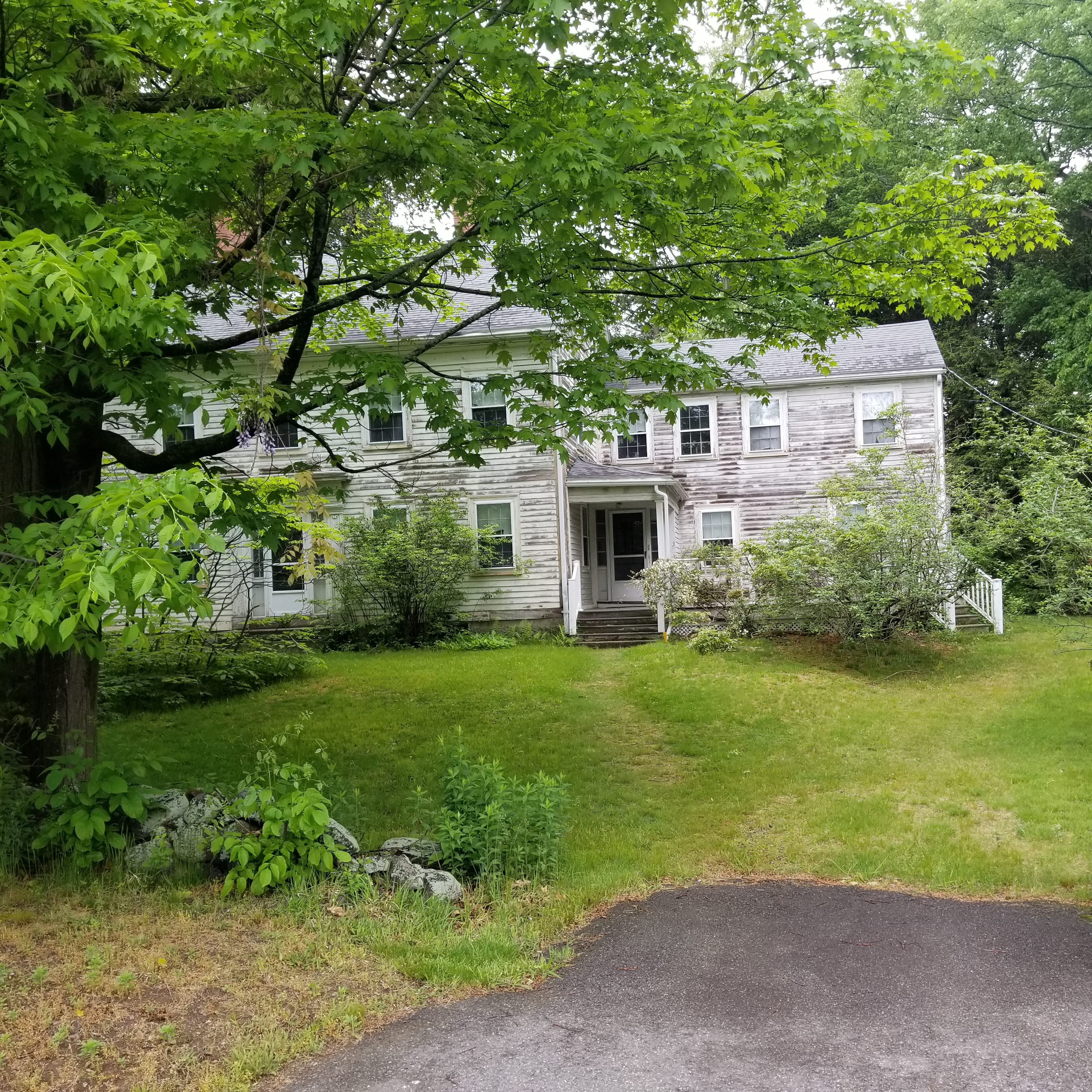
Horace Cleveland lived in this house in Danvers, Mass. from 1857-1868 with his wife, two sons, two servants and his father. His father, Richard Cleveland, died in the house. He was a famous sea captain, one of the early merchant mariners who established a trading route between Salem and China. Sailing that treacherous route around Cape Horn, trading at ports along the way, took Richard Cleveland away from his family for years at a time.
The house did not appear to be occupied, although someone had mowed the grass. When Cleveland lived there, he also owned the five acres around the house. The lot is now 1.5 acres according to Zillow. A freeway passes within 100 yards of the house on the right side of the photo.
It was while living here that H.W.S. Cleveland, already in his 40s, began to look at “landscape gardening” as a profession and had his first commissions. Like his friend and colleague in later life, Frederick Law Olmsted, Cleveland was a farmer as a young man. In fact, they exhibited their produce at some of the same horticulture fairs years before either was associated with landscape architecture.
Danvers town archivist Richard Trask helped me piece together clues from Cleveland’s correspondence that led to us finding the house.
Cleveland’s home before he moved to Danvers is much more famous — but not because Cleveland lived there. The previous occupant of that house in Salem, Mass. wrote one of the most famous American novels while living there. The book was The Scarlet Letter, the author was Nathaniel Hawthorne. Hawthorne’s wife, Sofia Peabody, was a friend of Cleveland’s going back to their childhood.
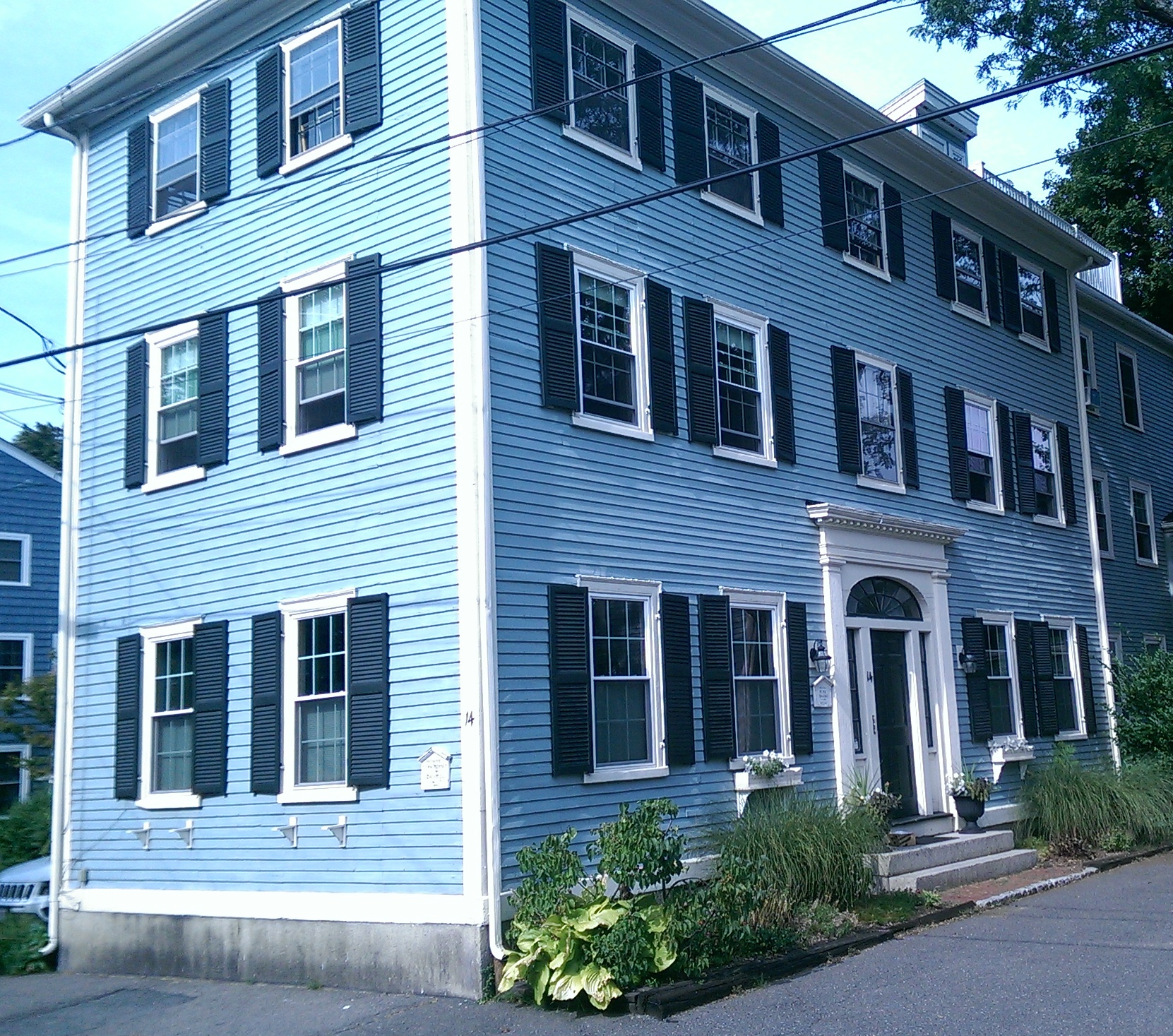
The white plaque on the corner of the house tells the story.

The amount of information one can get by searching — and asking librarians or archivists for help — is truly astonishing.
David C. Smith
 Minneapolis Park History